Sanctions screening
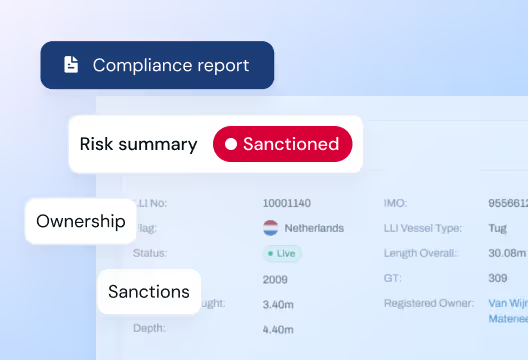
Mitigate sanctions risk with confidence and speed.

Sanctions data you can trust for real‑world compliance
Sanctions compliance demands more than list matching. It requires confidence in the data, visibility across complex ownership structures, and the ability to detect emerging risk before it becomes a breach.
Seasearcher brings together global sanctions data, maritime intelligence, and behavioural risk indicators in a single platform — enabling compliance teams to identify both direct and indirect sanctions exposure with speed, accuracy, and full auditability.

Faster intelligence in a single, comprehensive view
Seasearcher screens vessels, companies, and individuals against all major international sanctions regimes, including:
- US OFAC
- European Union
- United Nations
- UK HMT
- Switzerland
- Canada
- Australia
Sanctions matches are presented with clear, explainable risk indicators, allowing teams to prioritise genuine risk and reduce unnecessary investigation.

Historical sanctions intelligence
Sanctions exposure isn’t static. Seasearcher includes historical sanctions data dating back to 2012, enabling teams to:
- Conduct retrospective checks
- Understand when and why a designation occurred
- Evidence past screening decisions with confidence
This historical view supports defensible compliance decisions and robust audit trails.

Vessel‑level sanctions exposure
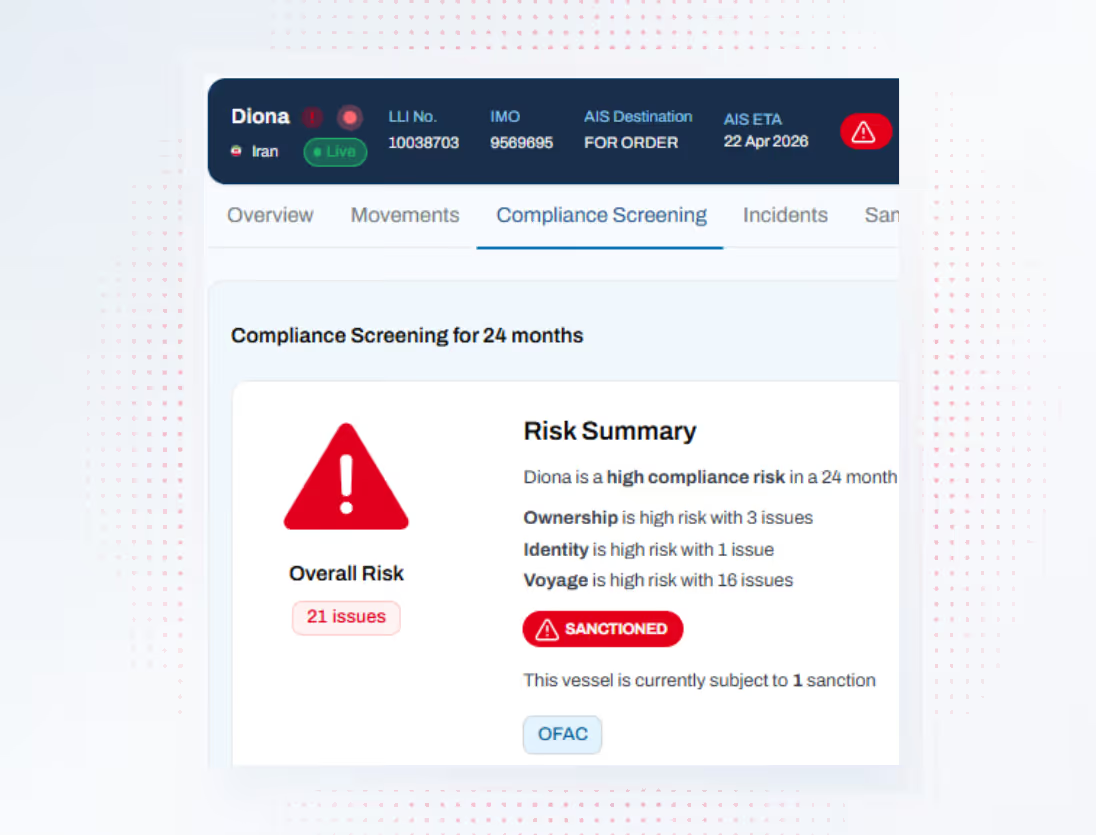
Sanctions data in Seasearcher is directly linked to vessels and their activity, including:
- IMO‑level identification
- Flag state
- Voyage history and port calls
This allows compliance teams to assess sanctions exposure in operational context, not in isolation.
Ownership and UBO sanctions exposure
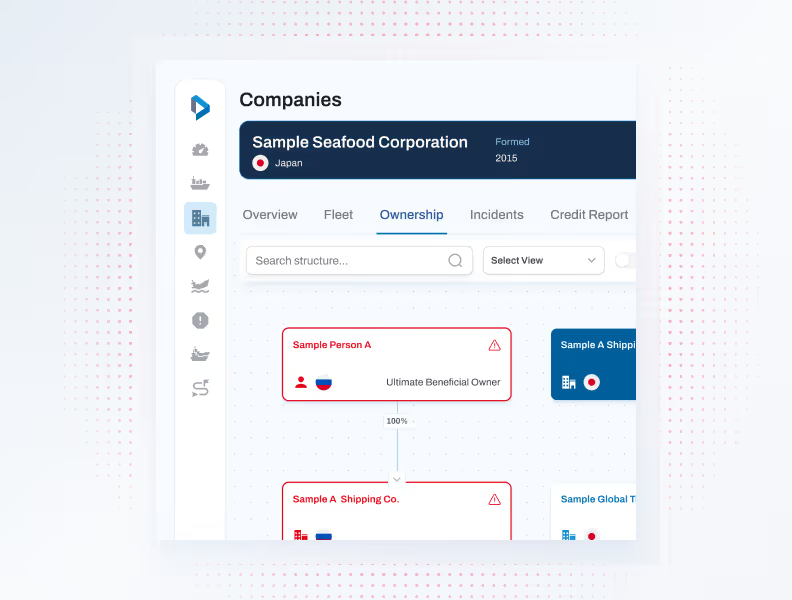
Sanctions risk often sits beneath the surface. Seasearcher connects sanctions data to deep ownership intelligence, including:
- Ownership structures up to 7+ levels
- Identification of ultimate beneficial owners (UBOs)
- Explicit support for regulatory requirements such as OFAC’s 50% ownership rule
This directly supports regulatory expectations.
Sanctions‑related behavioural risk data
Moving beyond list-based screening and designated entities, Seasearcher highlights behaviours commonly associated with sanctions circumvention, including:
- AIS gaps and dark activity
- AIS Spoofing
- Abnormal voyage patterns
- Suspicious port calls
- Potential dark ship‑to‑ship (STS) transfers
These indicators help teams identify probable sanctions evasion, even where no formal designation yet exists.
.avif)
Continuous sanctions monitoring and alerts
Our sanctions data is continuously refreshed, with alerts triggered by:
- Sanctions list updates
- Ownership changes
- Vessel behaviour changes
- New risk indicators aligned to user‑defined thresholds
This supports ongoing sanctions monitoring, not just point‑in‑time screening.

Contextual sanctions intelligence
To support confident decision‑making, sanctions data is enriched with:
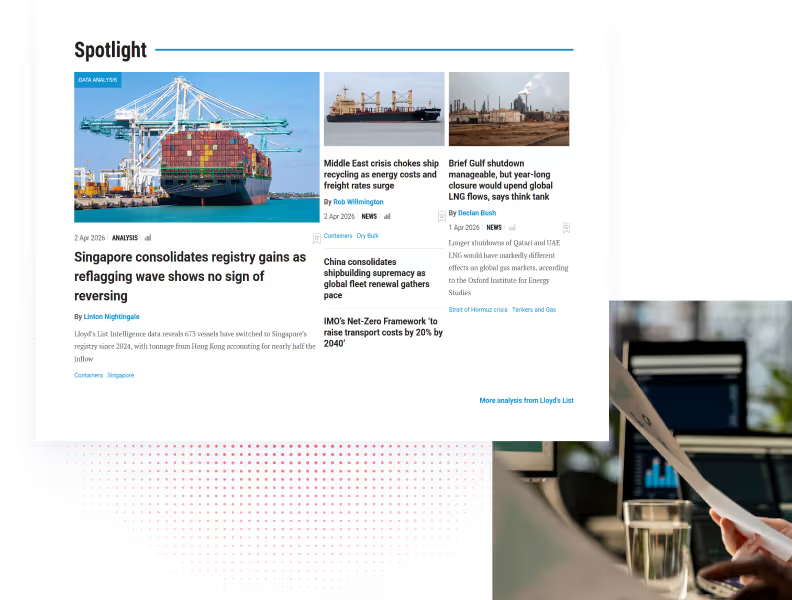
- Integrated Lloyd’s List maritime news
- Regulatory updates
- Expert analysis linked directly to vessels and entities
This gives teams the context behind the risk, helping them understand why something matters, not just that it is flagged.
Audit‑ready sanctions evidence
Seasearcher supports regulatory scrutiny with:
- Documented screening outcomes
- Logged decisions and escalations
- Case‑ready, downloadable reports
Every sanctions check can be evidenced, reviewed, and defended.

Why advanced sanctions intelligence matters

Minimise sanctions breach exposure
Protect your organisation from costly fines, transaction blocks, and reputational damage.

Enhance operational efficiency
Automate manual checks and streamline escalation workflows to save time and resources.

Build regulatory confidence
Maintain robust audit trails and defensible evidence to support regulatory scrutiny.
Related products


Intelligence that empowers decision making
Discover range of maritime, technical, and marketing products and solutions.
Upgrade your sanctions screening process
Gain a unified view of sanctions exposure, vessel activity, and context.




.avif)
.avif)
.avif)
.avif)