Uncovering deceptive shipping practices
Identify evasive behaviour sooner and document decisions with confidence.

Exposing sophisticated maritime evasion tactics with expert-validated intelligence
Deceptive shipping practices threaten not only regulatory compliance but also operational continuity, insurance risk, and corporate reputation. From AIS spoofing and dark ship-to-ship transfers to flag switching and cargo misdeclaration, these tactics require comprehensive detection capabilities.
Lloyd's List Intelligence provides unparalleled visibility into deceptive shipping behaviours on our Seasearcher platform. We do this by integrating proprietary AIS data, AI analytics, and validating with human expertise.
We can identify spoofing, dark transfers, abnormal voyage patterns, and other evasive tactics, empowering those at risk of these practices to make fast, accurate, and defensible decisions.


15%
of global vessel involve deceptive practices
40%
of deceptive vessel behaviours go undetected by manual methods
25%+
in “dark fleet” vessels operating under fraudulent flags or AIS manipulation
10bn+
lost annually due to delays and insurance claims linked to deceptive shipping
Bringing the ‘dark fleet’ into the light
Lloyd’s List was among the first maritime intelligence providers to systematically identify, define and investigate what became known as the “dark fleet” — later refined as the “shadow fleet”.
Through in‑depth reporting and forensic vessel analysis, Lloyd’s List exposed how ageing, anonymously owned tankers were using deceptive shipping practices to evade sanctions and regulatory oversight. Its investigations tracked the emergence and scale of these fleets in real time, bringing a previously opaque phenomenon into the open and establishing a common industry language that is now widely used by regulators, insurers, and compliance teams worldwide.
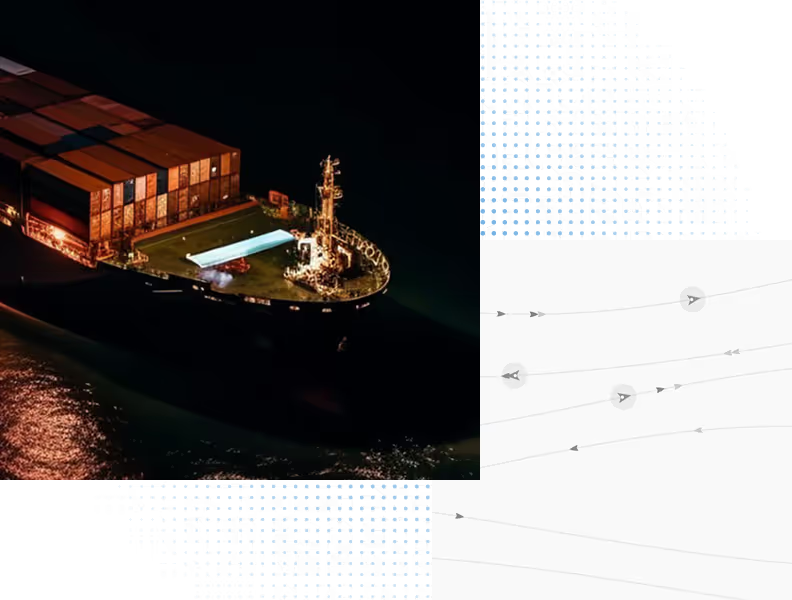
Spotting AIS spoofing
We identify unnatural vessel movements using advanced AIS metadata anomaly and pattern detection. Our detection model leverages a global, proprietary network of terrestrial AIS receivers to corroborate or falsify reported vessel locations, network, enabling precise identification of spoofing attempts.
Seasearcher’s multi-model framework captures diverse spoofing techniques with clear, transparent justifications, providing trusted, explainable intelligence for compliance decisions.
Continuous model retraining and expert validation enhance accuracy while reducing false positives.

Uncovering AIS gaps and abnormal movement
We distinguish between natural signal loss and deliberate AIS disabling by analysing factors such as the length and timing of AIS gaps, draught changes, and whether the gap begins in high-risk areas known for evasive activity. This helps identify vessels intentionally going “dark”.
Abnormal behaviours like loitering and unusual route deviations are detected through AIS message monitoring. These patterns, combined with AIS gaps, often indicate illicit activity such as dark ship-to-ship transfers.
Together, these insights provide a clearer view of deceptive practices, enabling focused investigation.
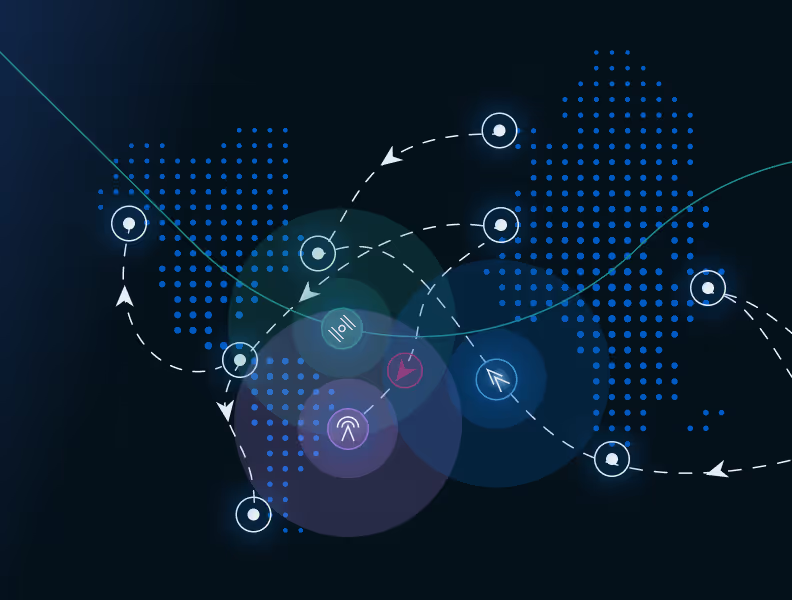
Detecting ship-to-ship (STS) transfers and port calls
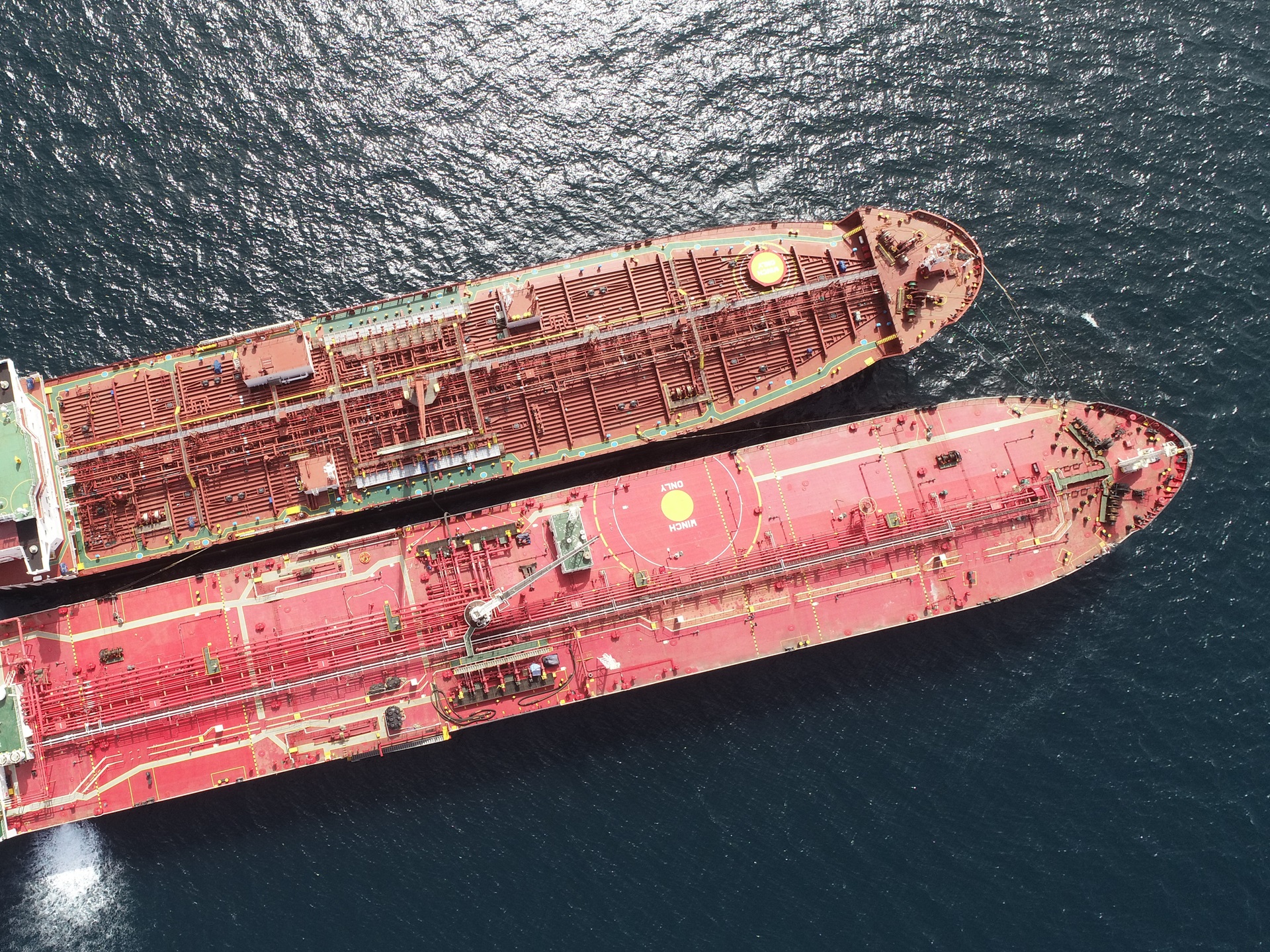
Our technology identifies and reviews probable dark STS pairings and high-risk port calls, even when AIS signals are disabled, to uncover covert cargo transfers and route deviations.

Why deceptive shipping detection matters

Mitigate operational and sanctions risk
Identify and respond to deceptive practices before they result in compliance breaches or financial loss.

Increase screening accuracy
Reduce false positives and investigation backlogs with validated risk indicators.

Enhance investigative efficiency
Streamline complex investigations with detailed voyage data and ownership context.

Support regulatory compliance
Maintain defensible records and audit trails to withstand regulatory scrutiny.
Related products

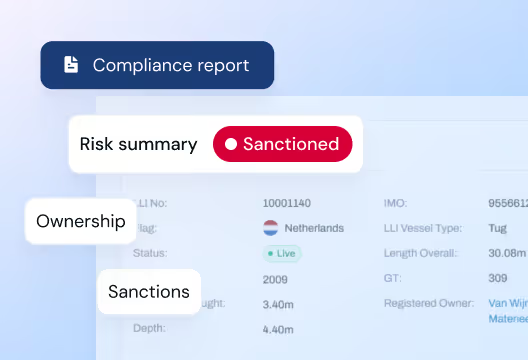
.png)
Precision intelligence for advanced investigation
Reduce false positives and make defensible decisions supported by clear, contextualised evidence.




.avif)
.avif)
.avif)
.avif)
.avif)