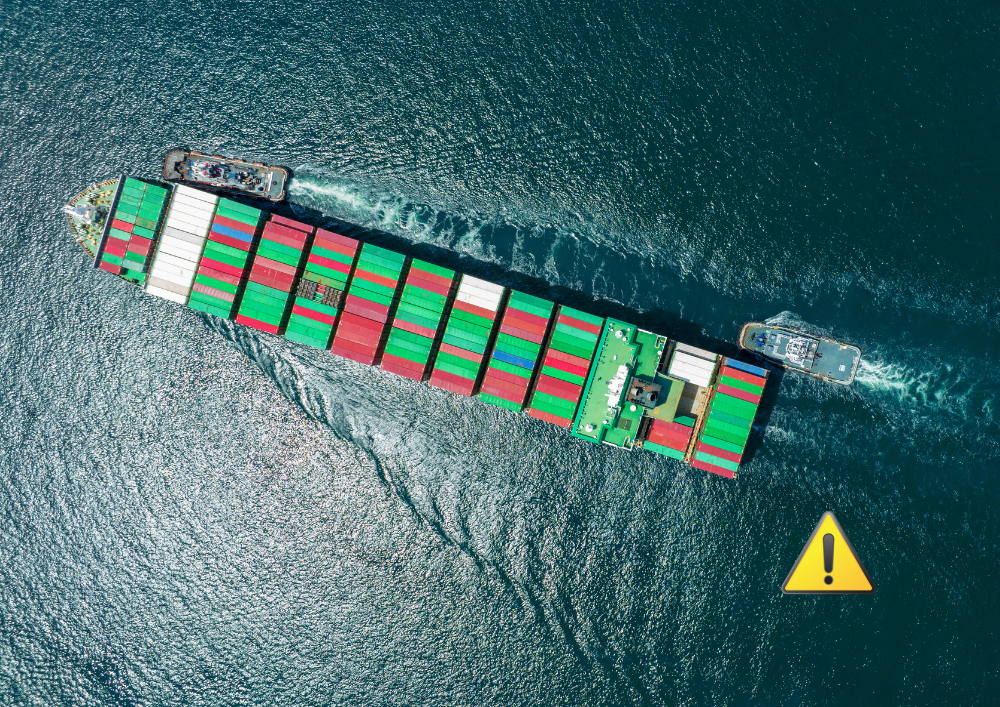
Shipping is entering an era in which geopolitics is reshaping markets as much as economics.
Conflict in the Middle East, sanctions, cyber threats and climate disruption are testing long-held assumptions about global trade. Yet shipping has proved remarkably adaptable. New routes, shuttle networks and alternative operating models have emerged to keep cargo moving through an increasingly fragmented world.
That resilience is evident across today's market. Oil continues to flow despite attacks in the Strait of Hormuz, container services have adapted to prolonged disruption, and supply chains continue to find workarounds where many expected paralysis.
But adaptation is not the same as security.
Cyber attacks, grey-zone threats, sanctions enforcement and competing interpretations of maritime law are turning commercial shipping into an arena of strategic competition. Risk increasingly travels with the trade itself.
At the same time, disruption is creating opportunity. Longer routes, constrained capacity and shifting trade patterns have transformed ships from transport assets into strategic assets, helping underpin some of the strongest freight markets in recent years.
The key question is whether this is a temporary adjustment or a structural shift in global trade.
The New York City Outlook Forum will bring together industry leaders, analysts and policymakers to examine three defining themes: the resilience of maritime supply chains, the changing nature of maritime security, and the future sources of profitability in a world where disruption is becoming permanent.
In an era where risk, resilience and returns are increasingly inseparable, understanding that relationship has become one of shipping's most important strategic challenges.