.png)
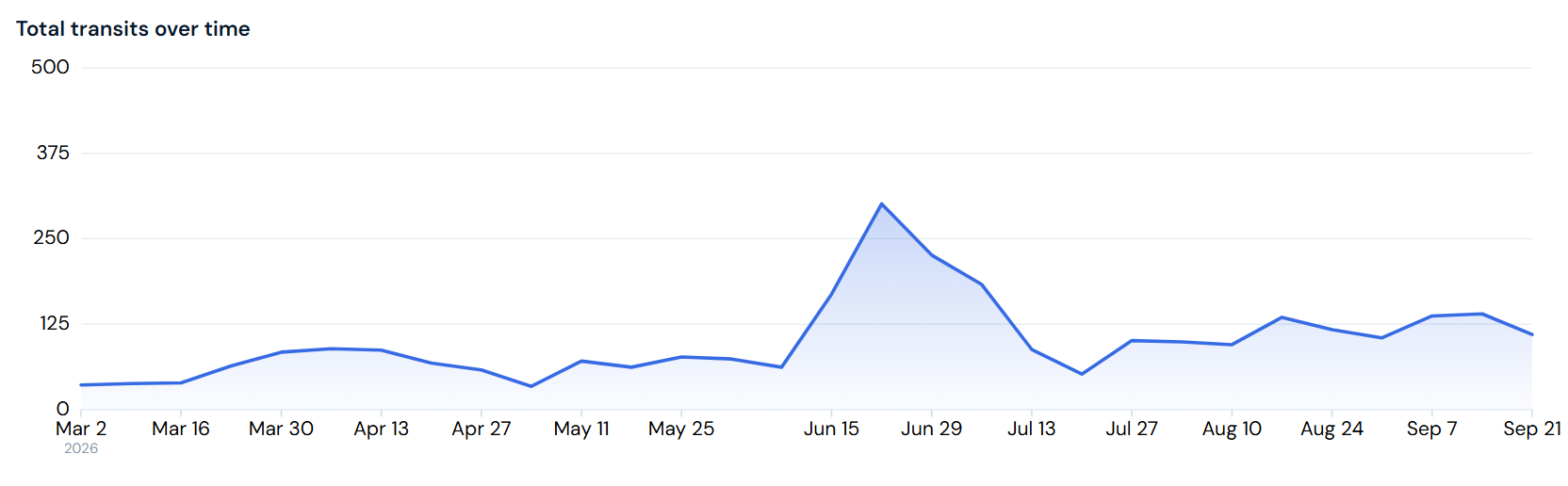
Non-Iranian-linked Hormuz transits 21-27 September (most recent complete data):
- Total transits: 124 vs 122 (14-20 September)
- Eastbound transits: 61 vs 64
- Westbound transits: 63 vs 58
- Tanker and gas carrier transits: 106 vs 100
Executive summary
September breaks post-conflict records. At least 477 non-Iranian-linked (defined by ownership trade exposure or sanctions status) transits were made through Hormuz last month, the highest number tracked since the outbreak of war at the end of February. September volumes also surpassed traffic levels seen during the temporary Memorandum of Understanding period, which led to a surge in sailings, mainly driven by ‘stranded’ vessels leaving the Middle East Gulf.
Key takeaways
Non-Iranian-linked inbound movements hit new highs. Westbound transits provide a useful indicator of owner and operator confidence, and last month at least 231 movements into the Middle East Gulf were recorded, up from 198 in August and 160 in July.
Bulker traffic sustained at around double pre-June ceasefire levels. There were at least 59 non-Iranian-linked bulk carrier transits through the Strait of Hormuz in September, compared with 40 in August and 57 in July. The monthly average was 24 between March and May.
Tankers bypass Hormuz transfer bottleneck as direct India deliveries emerge. In September, 13 former Hormuz shuttle VLCCs were tracked unloading Saudi-origin oil directly in India or conducting transfers off India’s west coast. Growing congestion in the Gulf of Oman ship-to-ship transfer network is pushing some charterers and shipowners to seek faster alternatives. The shift could ease logistical bottlenecks, increase effective fleet supply and further support the recovery of Middle East crude exports.
Source: Lloyd’s List Intelligence Strait of Hormuz Transit Monitor
Security summary
Hormuz tanker attacks hit seven-month high as Iran seeks to undermine MEG export recovery. At least 13 attacks targeting tankers or gas carriers have been recorded since September 28, surpassing previous peaks seen in March and July. Industry analysts say the increase reflects both rising tanker traffic and Iran’s continued efforts to demonstrate that MEG shipping remains vulnerable.
US Central Command continues to enforce its blockade of Iranian ports, reporting that 130 merchant vessels have been redirected.
Threat level to commercial shipping remains severe. According to the Joint Maritime Information Center deliberate hostile action is highly likely.
Risk outlook
Global crude export volumes have rebounded back to pre-Hormuz crisis levels, boosted in part by the MEG’s ‘shuttle service’. The situation is not normal though, and today’s workarounds are far more expensive than what they were seven months ago. While crude exports out of the MEG have gradually recovered, the activity is concentrated on a handful of owners and operators. Further, while crude traffic has expanded, other major markets, like bulk and containerships, have made little improvement.
We’re changing how we do the Strait of Hormuz briefs and will be publishing a brief every other Thursday, the next brief will be published on 22 October.
If you missed the Week in Maritime Intelligence webinar, register to watch the briefing on demand here. If you want to be registered for each week of this series, please fill out this form.
* Lloyd’s List Intelligence defines a tanker as being part of the Shadow Fleet if it engages in one or more deceptive shipping practices indicating that it is involved in the facilitation of sanctioned oil cargoes from Iran, Russia or Venezuela. Or it is sanctioned for participation in sanctioned oil trades or is sanctioned for links to a company that is sanctioned for facilitating the export of sanctioned oil. Or it participates in a cargo delivery where at some point over the course of the delivery one party in the chain engages in one or more deceptive shipping practices.
Lloyd’s List defines an LPG carrier as being part of the LPG Shadow Fleet if it engages in one or more deceptive shipping practices, or if it is sanctioned by the US, UK or EU.
This briefing was compiled by the Maritime Intelligence Unit
All analysis focuses on cargo-carrying vessels over 10,000 dwt