Non-Iranian-linked Hormuz transits September 14-20 (preliminary data):
- Total transits: 104 vs 102 (September 7-13)
- Eastbound transits: 55 vs 49
- Westbound transits: 49 vs 53
- Tanker and gas carrier transits: 82 vs 79
Executive summary
The slew of attacks on merchant shipping has not moved the dial in terms of traffic. At least 92 non-Iranian-linked transits — defined by ownership, trade exposure or sanctions status — were tracked between 14 and 20 September, compared to 102 between 7 and 13 September. These figures, particularly last week’s, are likely to rise further as additional dark transits are verified.
Non-Iranian inbound activity lags on MOU period but remains relatively elevated. In the lead up to the Memorandum of Understanding implementation in mid-June weekly westbound transits averaged 17. The MOU period led to a surge in inbound traffic, which quickly dropped after its collapse. In the four weeks after the MOU ended in mid-July, an average of 23 ships transited Hormuz each week. This rose to 45 in the following four weeks (10 August to 6 September). Preliminary data for last week in this period shows at least 39 westbound transits, with another 53 recorded between 7 and 13 September.
Key takeaways
Bulk carrier transits in the double digits for two consecutive weeks. At least 14 non-Iranian linked bulkers sailed through the Strait of Hormuz last week, with another 17 tracked the week before last. This is equivalent to a month’s worth of activity. It is too early to determine if the relative lift in traffic volumes is a trend or an outlier.
Preliminary figures show that transits by Saudi-owned or –flagged vessels in the first three weeks of September were higher than at any full month since the war began, with the uptick being driven by increased crossings of Bahri VLCCs done with AIS off.
The US sanctioned an Iranian cryptocurrency exchange linked to financier Babak Zanjani, alleging it processed payments from ships seeking safe passage through the Strait of Hormuz and transferred hundreds of millions of dollars in bitcoin to Iran’s Islamic Revolutionary Guard Corps. The US Treasury said non-US companies handling transactions for sanctioned entities could face secondary sanctions and potential exclusion from the US financial system. The warning is likely to resonate across shipping already grappling with the compliance implications of Iran’s attempt to control Hormuz traffic. While it is unclear how many vessels are liaising with Iranian authorities for passage through the chokepoint, there is evidence that non-Iranian linked ships are sailing via Iran’s prescribed traffic route. Whether payment has been made is not known, but this suggests some parts of industry are choosing to engage with Iran to some degree to secure passage.
Crude tanker rates remain near record highs, but the rally has lost momentum, with key VLCC benchmarks flattening or edging lower after weeks of gains. Forward freight agreements have pulled back as news spread of the US and Iran holding talks in New York. Crude tanker spot rates remain at astronomical levels.
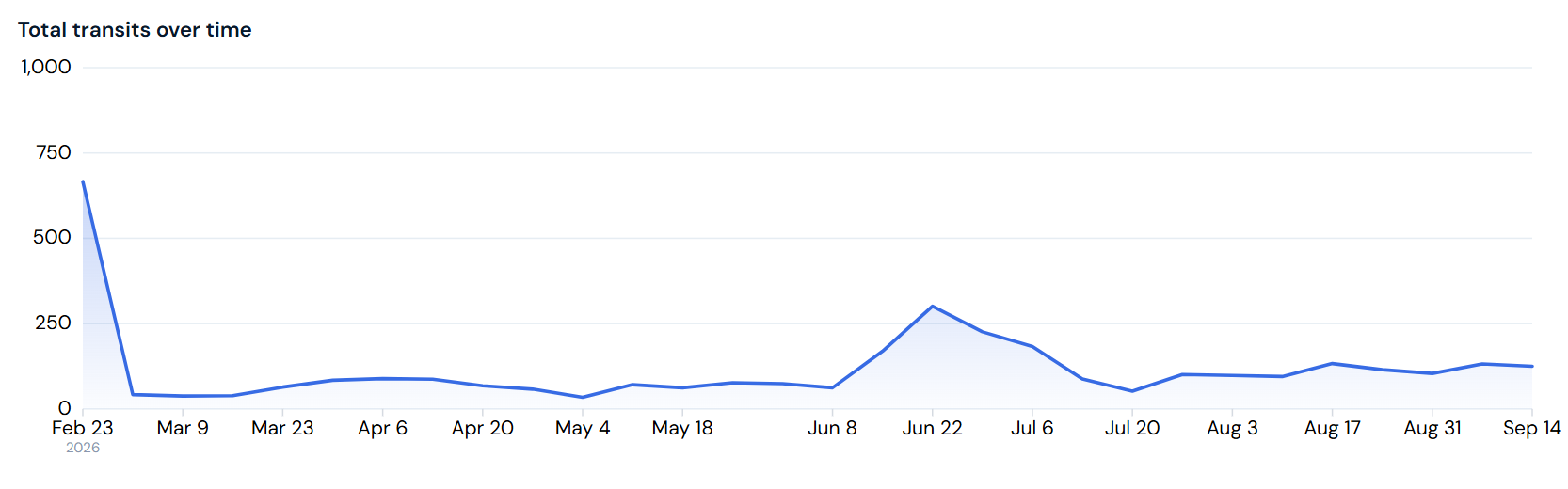
Source: Lloyd’s List Intelligence Strait of Hormuz Transit Monitor
Security summary
Ships ‘blacklisted’ by Iran continue Hormuz transits. Tehran has threatened detention and other penalties on the 77 vessels named in its sanctions list. Nearly 30% of those designated have transited post-designation. Analysis of these vessels’ movements suggests that Iran’s effort to control shipping movements has yet to materially disrupt operations for much of the targeted fleet.
Non-blacklisted vessels remain exposed to risk. Recent attacks on ships not designated by Tehran’s Persian Gulf Strait Authority reinforce security assessments that neutral flag status, ownership profile, cargo type or commercial activity cannot be regarded as sufficient protection against attack or interference in Hormuz.
US Central Command continues to enforce its blockade of Iranian ports, reporting that 110 merchant vessels have been redirected.
Threat level to commercial shipping remains severe. According to the Joint Maritime Information Center deliberate hostile action is highly likely.
Risk outlook
Gulf activity has expanded as owners and operators refine their systems for moving cargo out of and into the area. While gains have been made, growth is slow and gradual and there is no indication of a Hormuz revival.
Nearly 40 shadow fleet tankers and gas carriers use the conflict in the Middle East Gulf to exit sanctioned trades. Non-sanctioned ships are ‘flipping’ to move compliant cargoes as the crisis pushes up demand for risk tolerant operators.
If you missed our The Week in Maritime Intelligence webinar, register to watch the briefing on demand here.
* Lloyd’s List Intelligence defines a tanker as being part of the Shadow Fleet if it engages in one or more deceptive shipping practices indicating that it is involved in the facilitation of sanctioned oil cargoes from Iran, Russia or Venezuela. Or it is sanctioned for participation in sanctioned oil trades or is sanctioned for links to a company that is sanctioned for facilitating the export of sanctioned oil. Or it participates in a cargo delivery where at some point over the course of the delivery one party in the chain engages in one or more deceptive shipping practices.
Lloyd’s List defines an LPG carrier as being part of the LPG Shadow Fleet if it engages in one or more deceptive shipping practices, or if it is sanctioned by the US, UK or EU.
This briefing was compiled by the Maritime Intelligence Unit
All analysis focuses on cargo-carrying vessels over 10,000 dwt

.png)
