As sanctions regimes continue to evolve, maritime compliance teams face increasing pressure to demonstrate that screening programmes are both comprehensive and fit for purpose.
While organisations are familiar with screening against major authorities such as OFAC, the European Union, the United Kingdom and the United Nations, regional sanctions authorities can sometimes be overlooked despite playing an important role in global compliance frameworks.
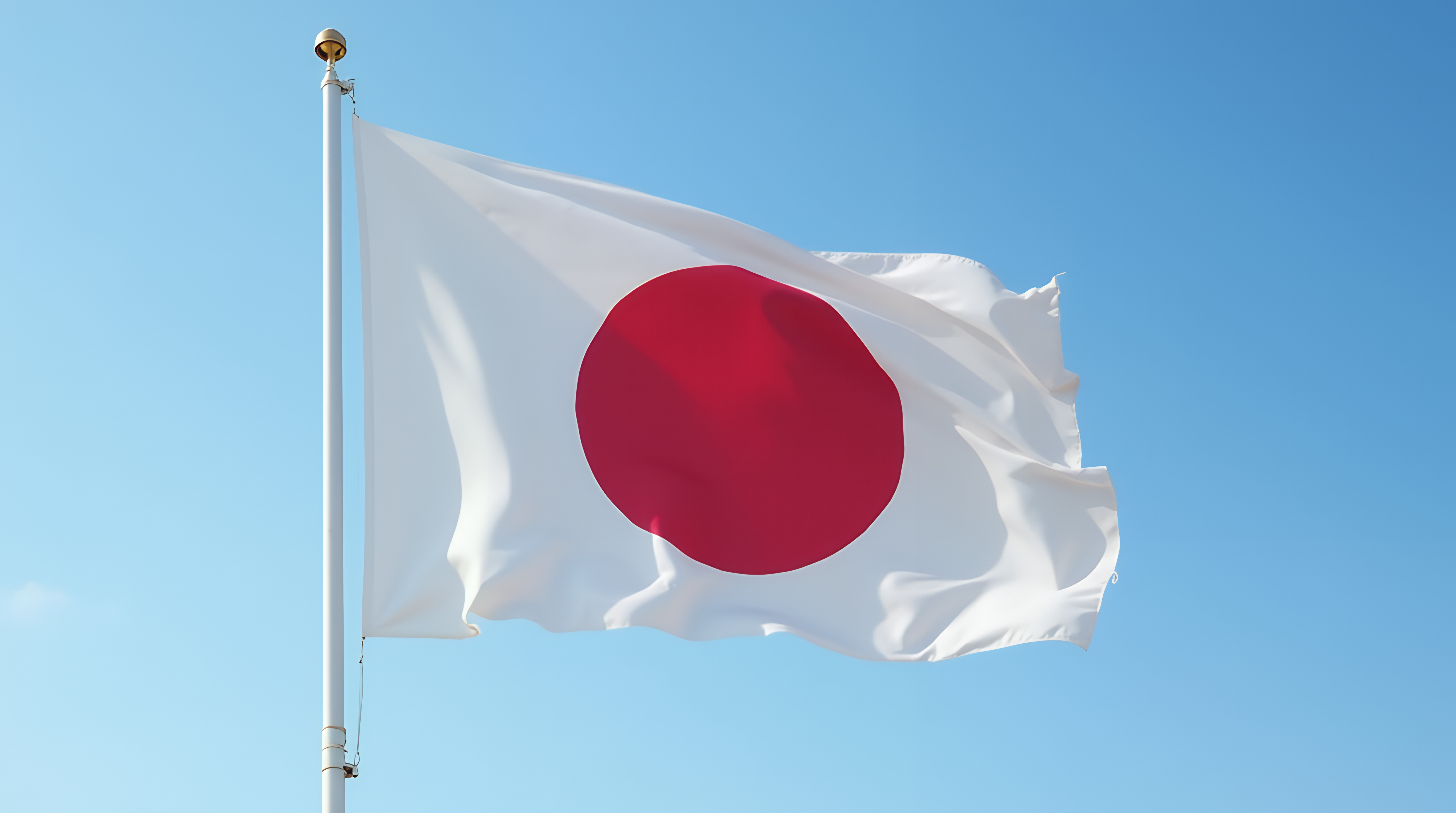
Japan's Ministry of Finance (MoF) is one such authority. Through measures implemented under Japan's Foreign Exchange and Foreign Trade Act, the Ministry publishes sanctions and asset-freezing designations covering individuals and organisations connected to a wide range of international sanctions programmes. These include measures related to North Korea, Russia, Belarus, Iran and other geopolitical developments.
For organisations operating in Japanese markets, serving Japanese counterparties, or managing compliance programmes across Asia-Pacific, visibility into Japanese sanctions designations is becoming an increasingly important component of an effective screening process.
Compliance Is About Confidence, Not Just Coverage
Many screening programmes focus on whether an individual or company appears on a sanctions list.
However, maritime compliance teams are often asked more difficult questions:
- How is a designated entity connected to a vessel?
- Are there ownership relationships that create indirect exposure?
- What evidence supports the compliance decision?
- Can the screening process withstand regulatory or audit scrutiny?
Answering these questions requires more than list matching alone.
The most effective compliance programmes combine sanctions intelligence with ownership information, vessel data and investigative context, allowing teams to move from simple identification to informed risk assessment.
Why Japanese Sanctions Matter in Maritime Trade
Maritime businesses operate across multiple jurisdictions and frequently engage with complex ownership structures that can span countries, flags and operating entities.
In this environment, sanctions obligations are rarely confined to a single authority.
Japanese sanctions measures cover a broad range of designated individuals and organisations and are updated in response to geopolitical developments and international coordination efforts. The Ministry of Finance maintains consolidated lists of sanctioned entities and asset-freezing measures, providing an authoritative source for organisations with Japan-related compliance obligations.
For compliance teams, the challenge lies not simply in identifying a sanctioned company, but understanding how that company may connect to vessels, operators, managers or beneficial ownership structures involved in a transaction.
The Importance of Maritime Context
A sanctions match in isolation may only reveal part of the picture.
Maritime compliance increasingly requires organisations to understand the wider network of relationships surrounding a vessel or counterparty. Ownership structures, management arrangements and beneficial ownership links can all influence risk exposure and due-diligence requirements.
This is particularly important when investigating potential indirect sanctions exposure, where risk may arise through ownership connections rather than a direct designation against a vessel itself. The ability to connect sanctions data to maritime entities and ownership structures provides a more complete view of potential risk.
Supporting Compliance Across APAC
For organisations operating across Asia-Pacific markets, regional regulatory requirements are becoming increasingly important considerations within global compliance programmes.
Incorporating Japanese sanctions intelligence alongside other major sanctions authorities helps organisations strengthen jurisdictional coverage while maintaining consistency across their screening workflows. This is particularly relevant for financial institutions, shipowners, charterers, traders and service providers that need to demonstrate robust due diligence across multiple regions.
A More Complete View of Risk
As compliance expectations continue to mature, the focus is shifting from simple screening towards greater confidence, explainability and evidential support.
A modern maritime compliance programme should enable organisations to:
- Screen against authoritative sanctions sources.
- Understand ownership and beneficial ownership connections.
- Investigate potential exposure with supporting intelligence.
- Evidence decisions for internal stakeholders, auditors and regulators.
By combining sanctions intelligence with maritime context, compliance teams can move beyond checking names against lists and gain a more complete understanding of risk exposure across vessels, companies and ownership networks.
Japanese Ministry of Finance sanctions screening is now available within Seasearcher and associated compliance solutions, helping organisations strengthen sanctions coverage while maintaining the maritime intelligence and ownership context needed for confident decision-making.
Learn more: Seasearcher